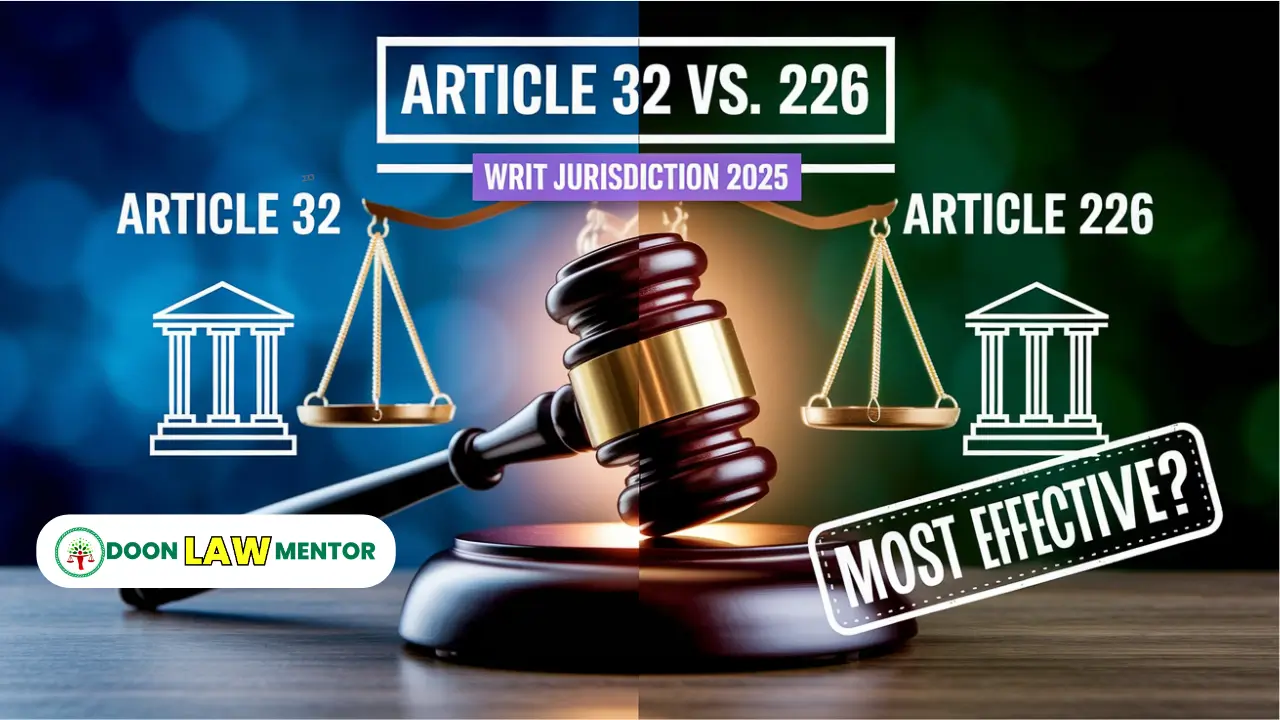
Explore Article 32 vs. Article 226 to determine which writ jurisdiction is more effective for protecting fundamental rights in India. This blog compares their scope, accessibility, and recent legal trends, offering insights for law students and lawye...


Explore the evolution of Article 21 in 2025 and how the Right to Life is shaping Indian law. From privacy and healthcare to climate justice and digital rights, this blog dives into landmark judgments, legal reforms, and socio-legal implications for l...
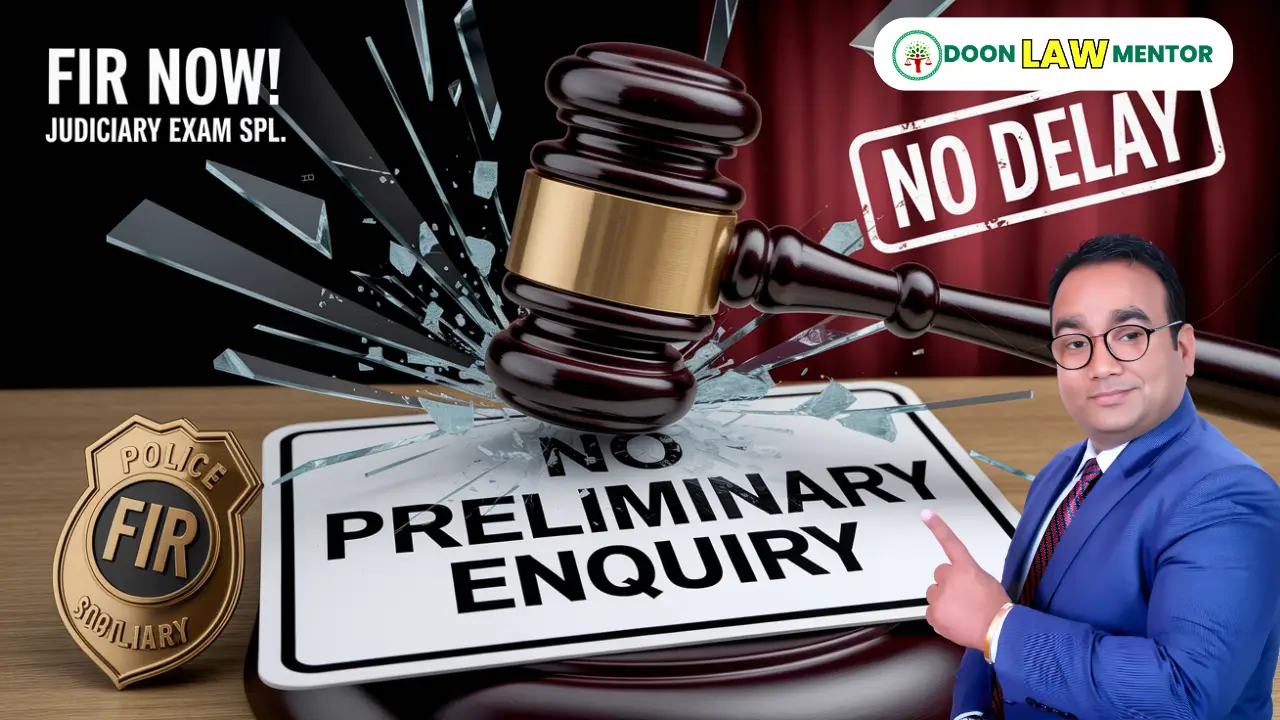
The Preliminary Enquiry Lalita Kumari Pradeep Sharma Case reshapes FIR registration norms, with the Supreme Court clarifying that Lalita Kumari (2014) doesn’t mandate preliminary enquiries in every case. This blog dissects the Pradeep Nirankarnath Sh...

The Legal Implications of Same-Sex Marriage Cases in India came alive with the Supreme Court’s 2023 Supriyo verdict—no marriage rights for queer couples, but a nudge for protections. For judiciary aspirants, this is exam gold: constitutional clashes,...

The Bharatiya Nyaya Sanhita 2023 (BNS) has replaced the old Indian Penal Code (IPC) with a fresh, modern twist—new crimes like terrorism, tougher punishments, and a focus on justice over penalty. For judiciary and APO exams, it’s the new go-to law. T...

Public interest litigation for judiciary aspirants has never been more critical, bridging legal theory and social justice in today’s India. This article explores its evolution, landmark cases, and exam relevance. Dive in to understand why mastering P...

Top 50 Legal maxims for judiciary exams are the backbone of legal reasoning, helping aspirants crack prelims, mains, and interviews. This ultimate guide lists the top 50 must-know maxims, their meanings, and practical applications in Indian law. Dive...
Constitutional Law forms the foundation of Judiciary Exams, covering fundamental rights, DPSPs, judicial review, and landmark judgments. This guide explains its significance, key provisions, case laws, and study strategies for PCS-J and APO aspirants...
The Right to Information Act, 2005, is a crucial topic in Judiciary Exams, covering citizens' access to government information. This guide explains RTI’s key provisions, exemptions, landmark case laws, and exam strategies to help judiciary aspirants ...
Constitutional Law forms the foundation of Judiciary Exams, covering fundamental rights, DPSPs, judicial review, and landmark judgments. This guide explains its significance, key provisions, case laws, and study strategies for PCS-J and APO aspirants...